“Why is it that artists like Deborah Conway have been targeted because they are Jewish?”
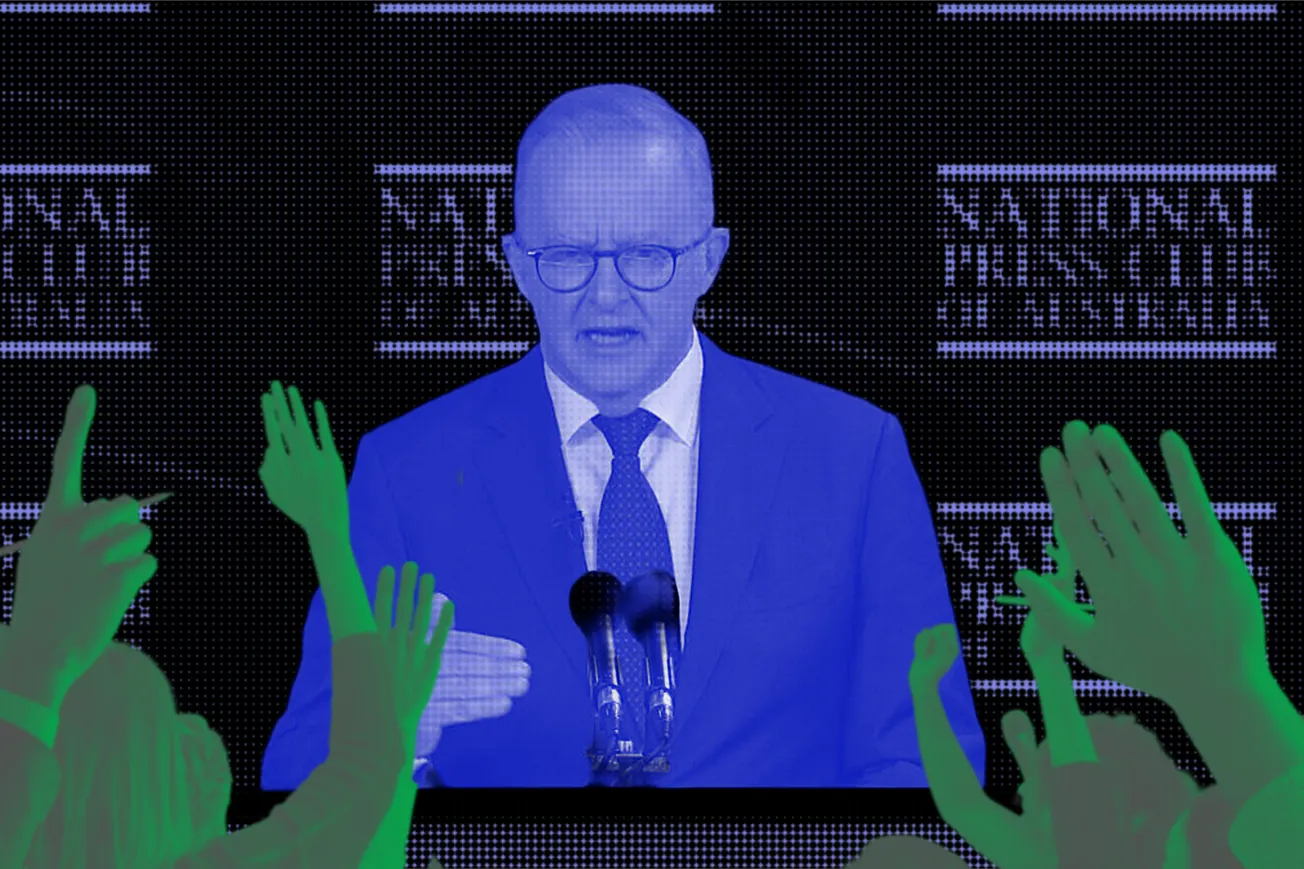
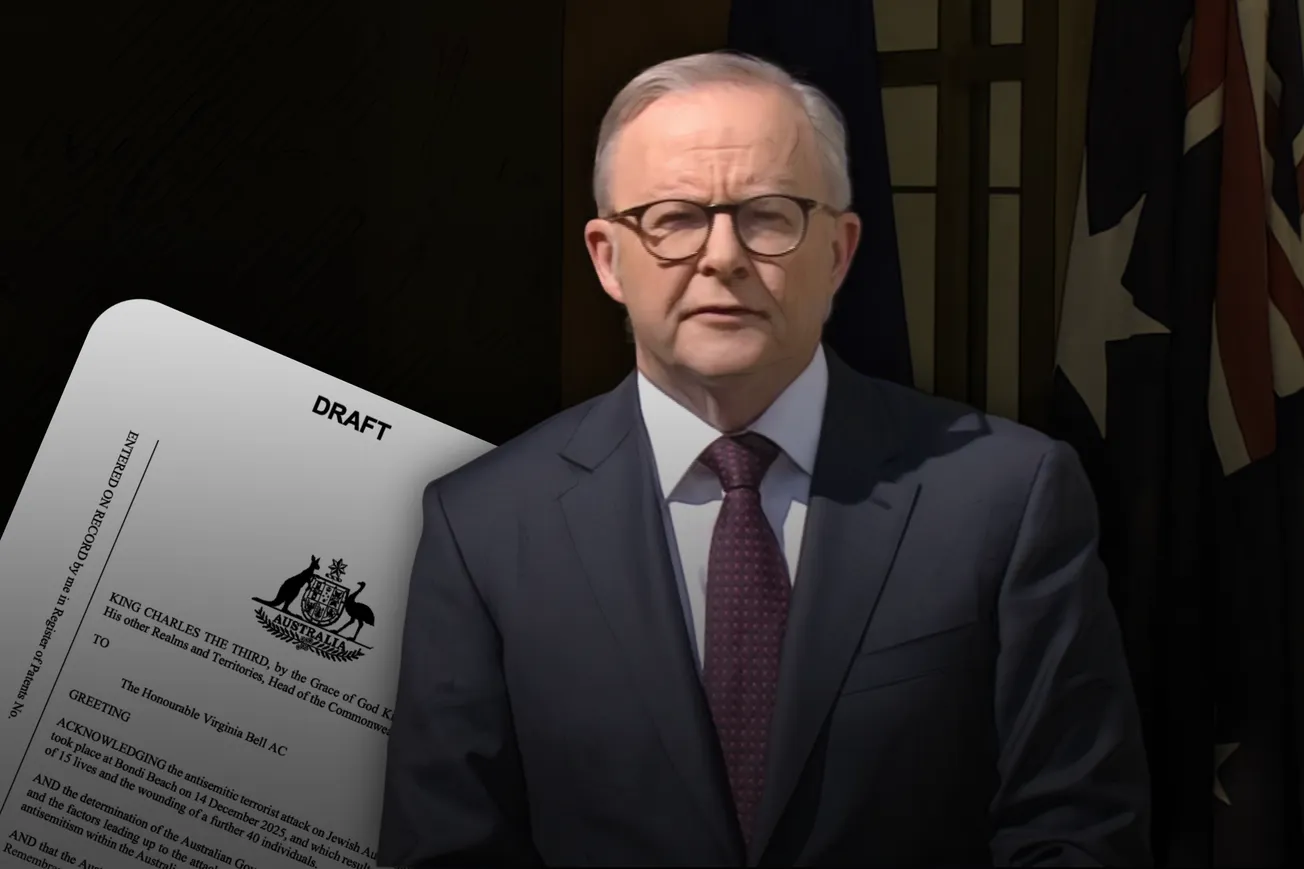
That was one of the reasons given by Prime Minister Anthony Albanese on Thursday as to why, after weeks of holding the line, he backflipped and announced a Royal Commission into anti-Semitism.
“I want to have a debate about that [Conway],” Albanese said, to underline the point. The remarks made it very clear what this Royal Commission will and won’t be about.
To be absolutely clear, Conway has not been the subject of protest and boycotts “because she is Jewish”, as Albanese declared. Conway’s involvement with cultural events like the Perth Festival attracted controversy after she publicly defended Israel’s genocide, and said of the massacring of children: “It depends what you call kids.”
The fact that criticism of Conway was one of the only examples Albanese cited as to why this Royal Commission was required reveals both what campaigners for this inquiry want to focus on, and what the government hopes it will achieve: the criminalisation of criticism aimed at Israel.
The campaign for a Royal Commission
The unedifying media and political campaign for a Royal Commission that has been playing out this summer is worth its own story, and something we will no doubt cover when the Lamestream podcast returns in a couple of weeks.
But it’s not an exaggeration to describe it as one of the most shamelessly partisan and hypocritical examples of media advocacy in Australian history – including what we have seen over the past two years.
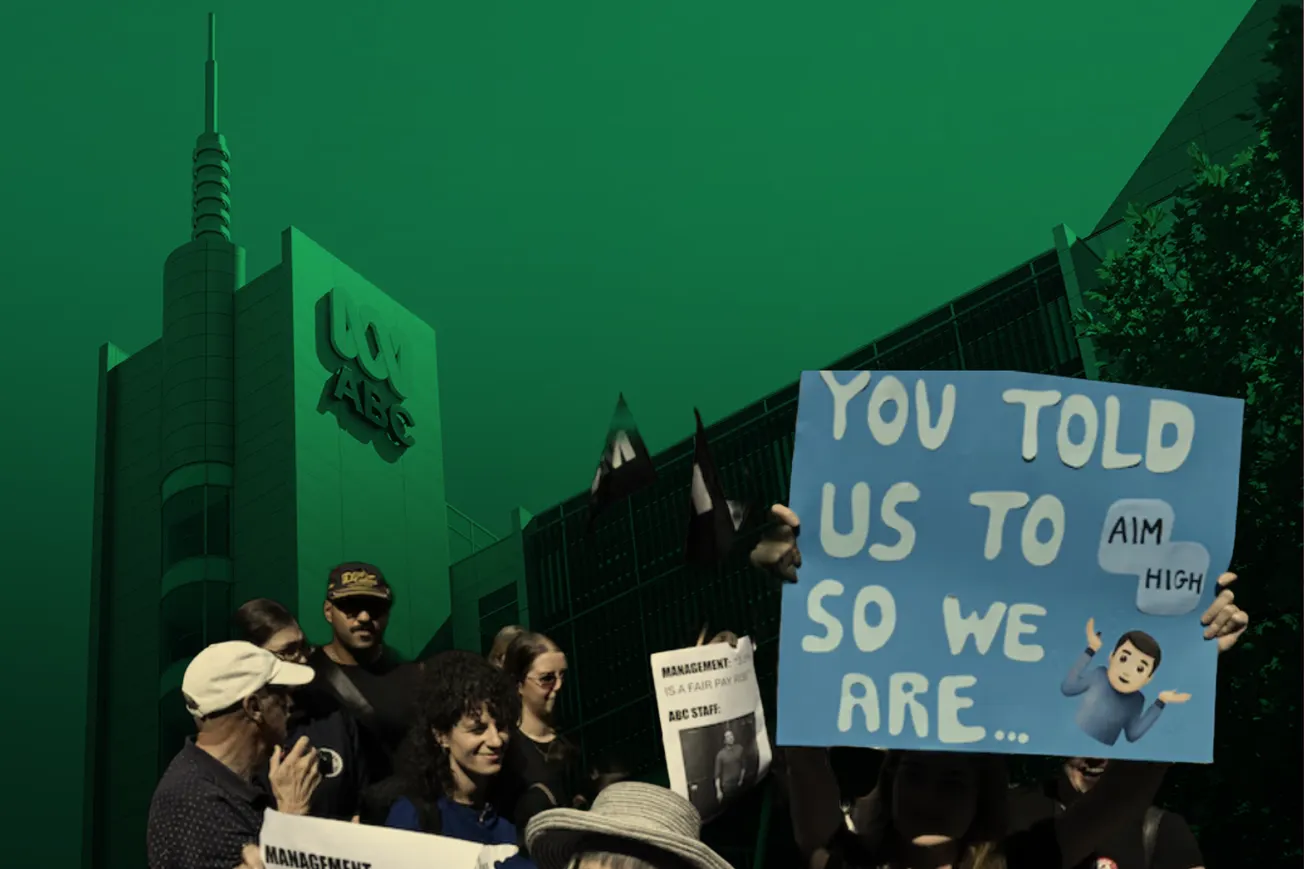
Even if one leaves aside the merits or otherwise of a Royal Commission, the exact same media organisations that punished and sanctioned their staff for signing an open letter calling for more accurate reporting on Israel’s invasion of Gaza, and condemned the right of journalists to believe in or campaign for anything, turned around and launched the most vociferous and united mainstream media campaign the country has ever seen.