It's been interesting to watch media outlets steadily shift the tenor of their budget coverage in the days after it was unveiled, and slowly come to accept how minimal the housing tax reforms really are.
As we covered on Thursday's episode of the show, because political reporters had spent weeks reporting government drops that this was going to a huge, radical, never-before-seen kind of shake up to the housing sector, they were stuck with that line even when the actual details revealed on Tuesday showed it was much, much more marginal that what had been teased.
But in the second half of the week, more stories that point out how little it will do have emerged, including at the ABC and The Guardian.
It's a fascinating case study of why the government puts so much emphasis on pre-budget spin. They use it as an opportunity to drip-feed information and craft a narrative. Even if that narrative ends up being disconnected from the reality of whats in the budget, they hope that people just swallow the government line.
It looks like the strategy is wearing a bit thin, because ultimately you can't actually spin people into thinking its getting easier to buy a house if it doesn't actually feel easier. It's a reminder that as powerful and influential as the media is, it doesn't stand a chance when it crashes against actual material reality.
- Killer Grabs: Quotes from around the traps.
- Why is Australia media celebrating an artist being banned from the US? Plus, the housing tax explainers that got it wrong— By Osman Faruqi and Scott Mitchell
And apologies from us, Os has been travelling, running around and hasn't had much time to watch his usual volume of content this week, and Scott has been working hard – The Good Ones will return next week.
Killer Grabs
"Taylor’s bold budget reply is a mix of sound and dubious policy commitments" — Michelle Grattan, in her column for The Conversation
This was the headline on Grattan's story analysing Angus Taylor's budget reply, where he focused on cutting immigration and stopping migrants accessing government benefits.
The closest thing to a sound policy idea Grattan discusses is Taylor's proposal to index income tax brackets, but beyond pointing out Malcolm Fraser briefly did it in the 1970s, nowhere are we told why this is good.
Sometimes a politician just delivers a pathetic speech aimed at race-baiting and trying to out-do One Nation and its OK to call it that! You don't have pretend these people are secret economic geniuses when it's very clear they aren't.
"You can have a disagreement with a policy of a government... but that doesn’t mean that I believe Israel doesn’t have a right to exist." — Anthony Albanese when asked on ABC Radio if Australia should have boycotted Eurovision.
Firstly, it's incredible to call ongoing slaughter, genocide and occupation taking place across two different countries "a policy of a government".
Secondly, somehow even more incredible to respond to a question about boycotting Israel's participation in Europe and saying "I believe they have a right to exist".
Boycotting Eurovision does not somehow automatically wipe Israel's existence off the face of the earth, what is he even talking about? Have Ireland and the Netherlands nuked Israel out of existence by not participating in Eurovision? Of course not.
Why is Australia media celebrating an artist being banned from the US? Plus, the housing tax explainers that got it wrong
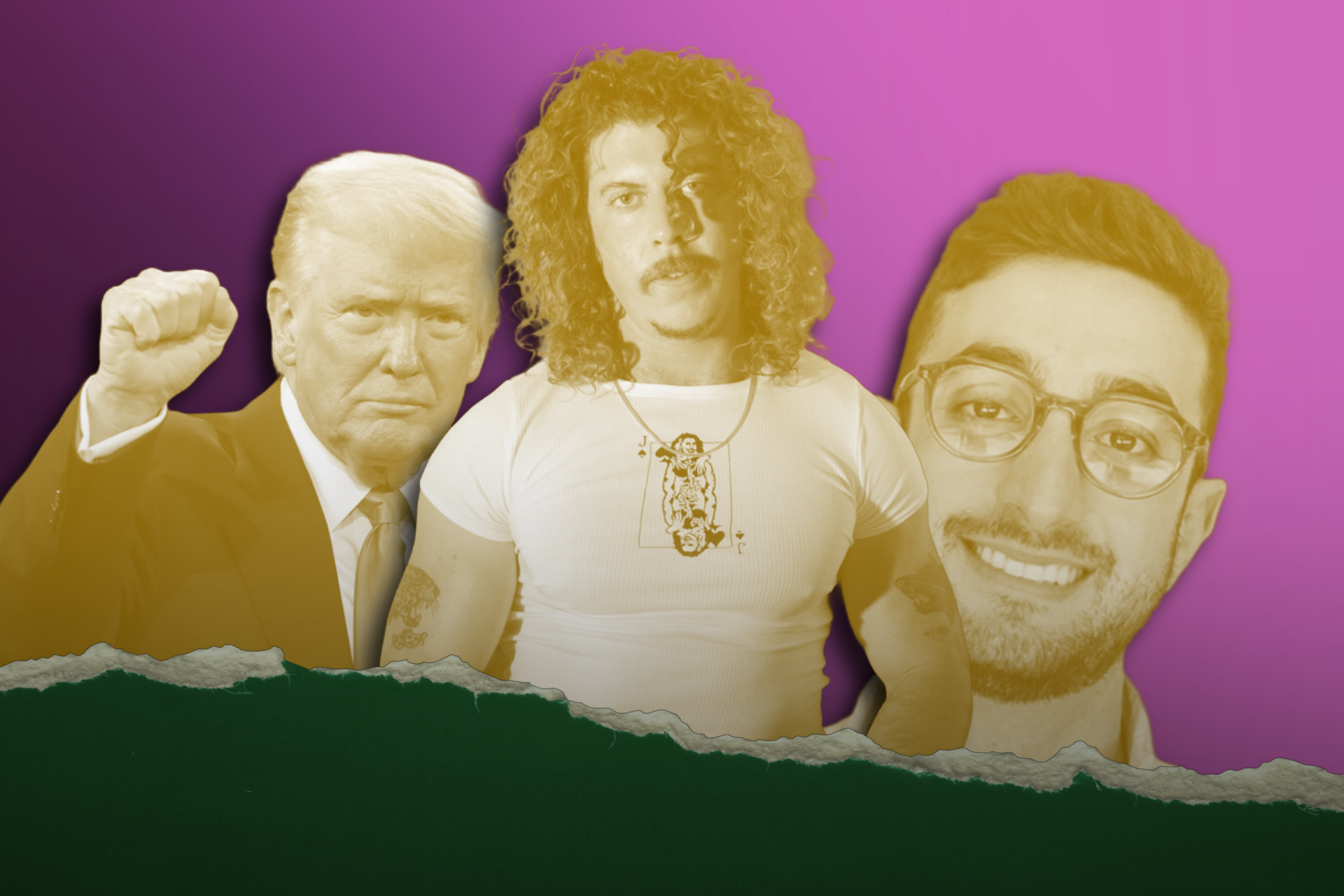
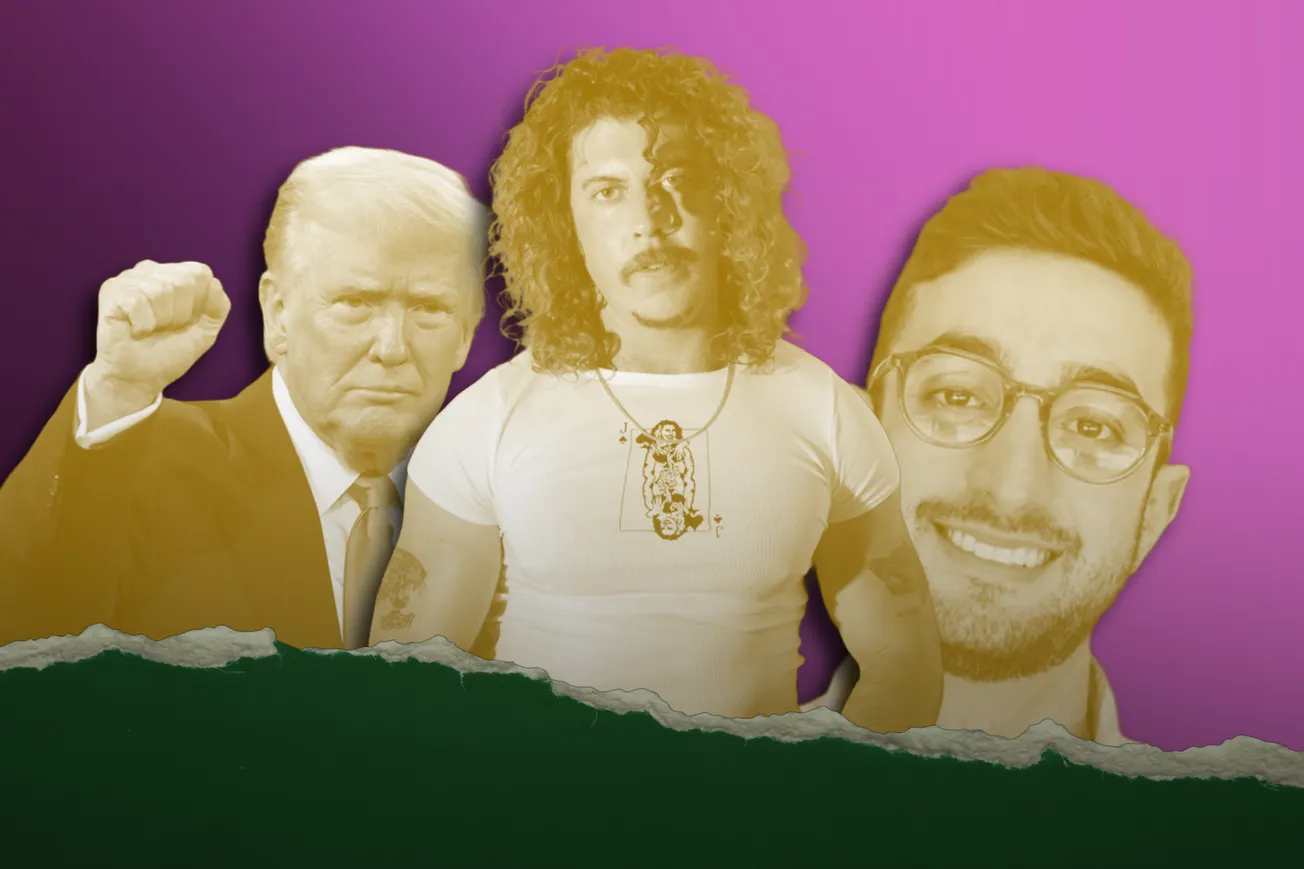
Trump vs. the Australian music industry, but our media makes it all about Abbie Chatfield
The Trump regime’s ramped-up border security apparatus ensnared an unexpected victim this week, with Australian musician Adam Hyde (who performs under the name Keli Holiday and is one-half of Peking Duk) being denied entry into the US and, as a result, was forced to return home.
It’s a particularly bizarre case because Hyde, whose song Dancing2 finished number two on Triple J's Hottest 100 countdown, was midway through a North American tour and had already performed a series of shows in the US, before travelling to Toronto to play there.
It was on his return to the US for a final show in New York that he was detained, interrogated and ultimately refused entry. In fact, his whole tour party had their visas cancelled and were forced to return to Australia.
The fickleness of US border officers since Trump’s re-election has been well documented, but as far as we can tell, no Australian touring musician has been rejected in this way. It’s a new precedent that should have the local music industry up in arms, because of how crucial cracking the US market has been to generations of Australian artists.